Whether your fiber business is brand new or you have been selling for a while, picking the right platform to sell your handmade goods on is crucial to your success.
Over the years of owning my own business, I have seen many fiber artists get overwhelmed by this topic, especially when it comes to Etsy vs. Shopify. So, to help make this decision process a bit easier, I wanted to put together a simple blog post that I am calling “Etsy vs. Shopify for Fiber Artists: Pros & Cons.”
My goal with this blog post is to provide information on the pros and cons of Etsy and Shopify, but in a simple way. If you don’t have time to do a ton of research or watch hours of YouTube videos, I hope that this blog post can get you started in the right direction.
So, grab your pen, paper, and a cup of tea, and let’s dive right in!
Quick Overview: Etsy vs. Shopify
Before we dive into the pros and cons specifically for fiber artists, let first do a quick overview of what Etsy and Shopify are, along with the core differences between the two.
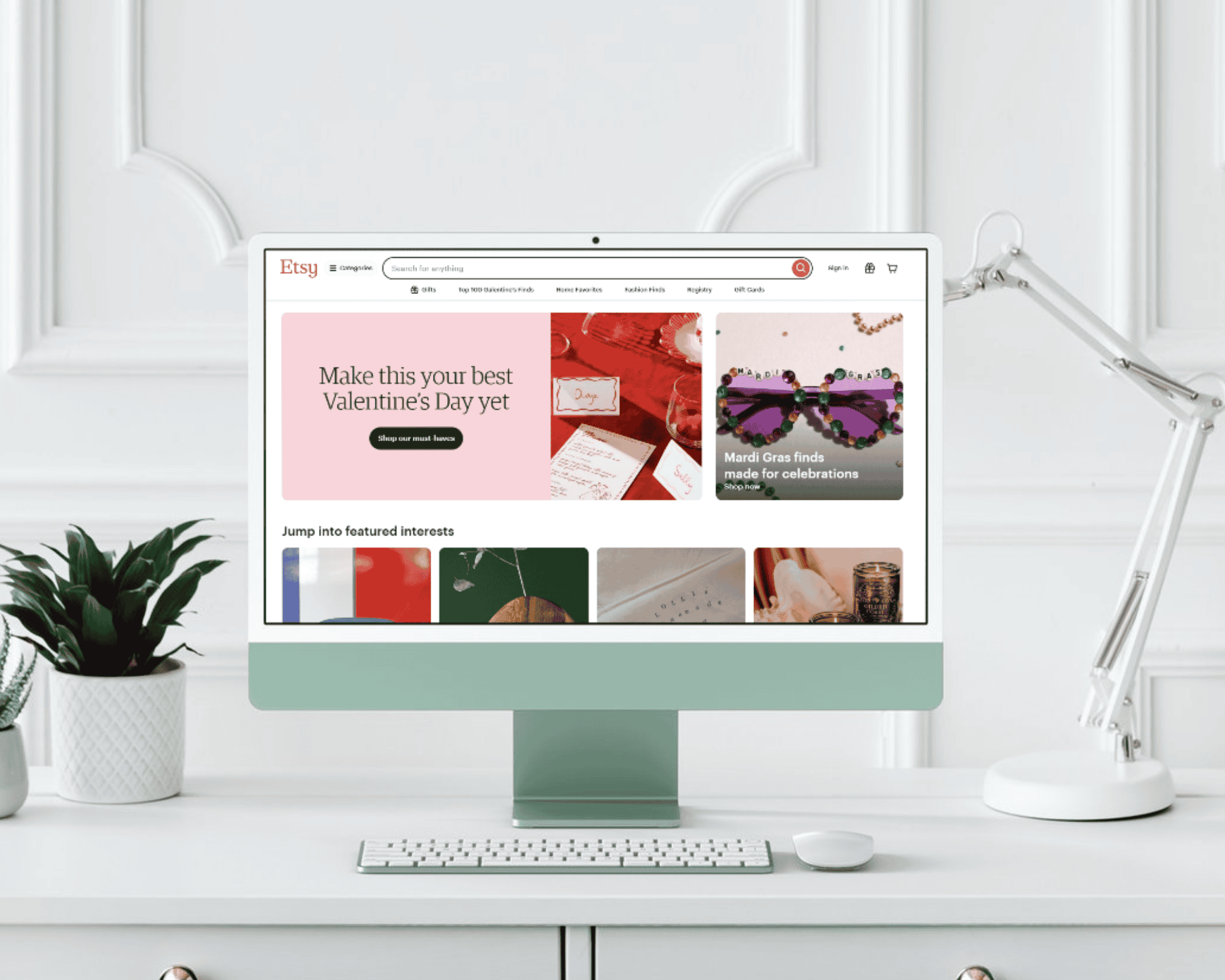
Etsy: A marketplace for handmade goods, crafts, and vintage items.
Shopify: A customizable platform where you can build your own branded store.
The Core Differences: Etsy has a built-in audience, and you don’t have ownership of your Etsy store. With Shopify, you have to bring traffic to your own branded store, but you have full ownership of your store.
Etsy for Fiber Artists: Pros & Cons
Ok, now that we know the basics, let’s get into the pros and cons for fiber artists.
First, we are going to begin with Etsy.
Pros:
- Low barrier to entry and easy setup
- Built-in audience actively searching for handmade items
- Trust factor for new sellers
- Useful for testing products and pricing
Cons:
- Listing, transaction, and advertising fees
- Heavy competition and price pressure
- Limited branding and customization
- Policy changes outside your control
Shopify for Fiber Artists: Pros & Cons
Now, let’s look at the pros and cons of Shopify.

Pros:
- Full control over branding and customer experience
- Better email list and customer data ownership
- Lower long-term fees as sales grow
- Scales well for growing businesses
Cons:
- No built-in traffic; marketing is required
- More setup and maintenance
- Learning curve for tech and marketing
- Monthly subscription cost
All of the pros and cons I mentioned above for Etsy and Shopify cover a variety of topics like fees, marketing, etc. So, to keep things simple, I’m going to talk a bit more about cost, setup, customization, and traffic. This is because these areas are really the deciding factor for most individuals when it comes to picking a selling platform.
Cost Comparison
Before you start any side hustle or business, you must think about the cost. This is because no matter which road you choose, you are going to have to pay for fees, services, and ads.

At the time of writing this post, it’s free to open up an Etsy store. However, you pay a $0.20 Listing fee on every item and a 6.5 % Transaction fee (3% + $0.25 payment processing fee).
For Shopify they have different pricing plans, with the lowest being $29 a month. However, this plan does not include additional fees you would have to pay, like credit card fees, third-party transaction fees, and additional service expenses (like apps, themes, etc.).
Fiber Artist Point of View: As a fiber artist, I would first encourage you to think about what you sell and how much it costs to make your handmade goods. For example, some fiber artists only create patterns, some create yarn, while others do a little bit of everything. Then I would think about where you are in your business. Are you brand new, or have you been in business for a few years? If you are just starting, Etsy could be a great option to lower costs. On the other hand, if you are well-established, Shopify could help you to create a stronger e-commerce presence.
Setup and Ease of Use
After thinking about the cost, the next thing you should consider is setup and ease of use. This is because even though we are creative folks, that doesn’t mean we want to spend all of our time designing and setting up a website.
So, below is a short breakdown of what to expect when picking Etsy or Shopify.

Etsy:
- Setup: Very fast, and can you have your store open within a day.
- Ease of Use: Everything is already pre-made for you, so you are basically plugging in your own information into the Etsy platform. Also, ongoing management is simple because you are not dealing with several “moving parts or additional services” as you would with a traditional website.
Shopify:
- Setup: Takes much longer to set up your store because you are designing your website from scratch (even if you are using a template).
- Ease of Use: If you are not into technology, all the features might seem overwhelming. However, if you get past the learning curve, you might find that you like having full control over how your website is designed and laid out for your customers.
Fiber Artist Point of View: Much like the cost comparisons, I would think about where you are in your business. If you are brand new or want to start selling your handmade goods quickly, Etsy would be a great place to start. However, if you have more time on your hands and love all aspects of designing a business, then Shopify might be perfect for you.
Branding & Customization
Along with setup and ease of use, we next need to talk about branding.
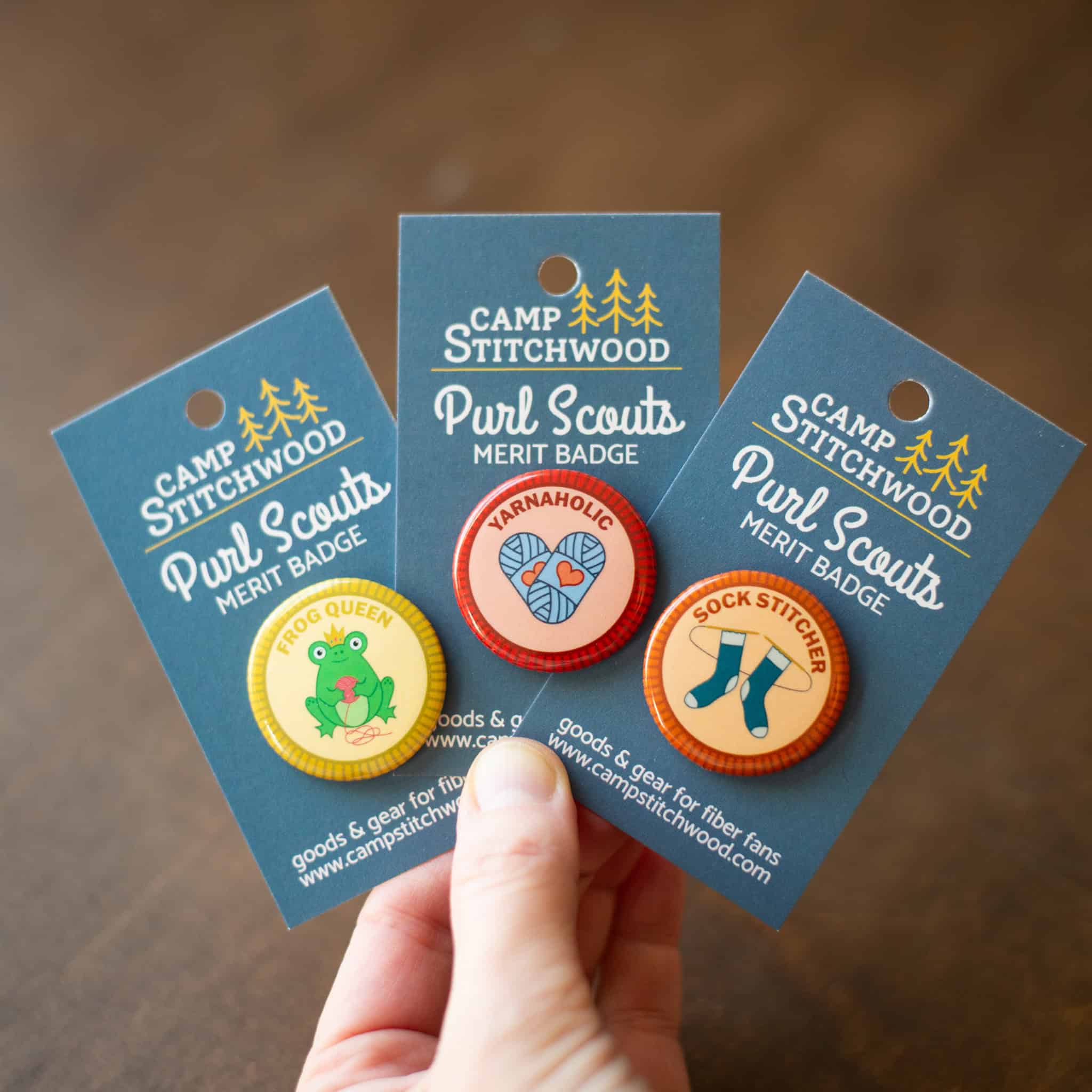
Branding is very important in your business because it helps you to build recognition with your audience while differentiating you from other similar businesses. While developing your business, you may find that your branding changes over time, but regardless of where you are, you need to have some form of branding.
Both Etsy and Shopify allow you to have your own branding, but Shopify is the clear winner when it comes to options. This is because on Etsy, you will only be able to do the following
- Choose a shop name
- Add a shop banner
- Add an icon
- Add photos & videos to your about page
- Choose the names of the sections in your shop
On Shopify, you have full control over how you want to tell your brand’s story in a visual way. You can design a custom website from top to bottom and even have your own custom domain.
Fiber Artist Point of View: Personally, I have seen some amazing fiber artist Etsy shops that have much better branding than a regular website. In my opinion, I do think you can have a well-established brand look on Etsy, even with the low customization options. So, if your business is brand new, I wouldn’t worry too much about having all the branding options available to you. With that being said, if you love full creative control and have a very specific brand story to tell, then you may want to start on Shopify.
Marketing & Traffic
Finally, let’s talk about marketing and traffic. This is probably the most important topic we will discuss today, simply because if you have no traffic, then you have no buyers, which means you have no sales.

Now, regardless of which platform you choose, you are responsible for marketing your business and driving traffic to your shop. However, as I mentioned earlier, the core difference between Etsy and Shopify is that Etsy has a built-in audience and Shopify does not. This means, as a beginner, if you have no audience, Etsy can be the perfect way for people to find you.
However, the major drawback is that it’s difficult to build an audience over time. This is because Etsy does not allow you to collect email addresses (to build an email list), and it doesn’t give you the option to integrate other tools (like a blog).
Shopify offers all these options and more. You have full control over SEO (search engine optimization), they offer a variety of tools for marketing/traffic purposes, and they allow you to grow your audience in the best way you see fit.
Overall, Etsy can be seen as a great place to start, and then once you reach a certain point in your business, you can transition to Shopify.
Fiber Artist Point of View: It’s indeed much harder to shift your audience from Etsy to your own website. However, it’s not impossible! If you start on Etsy, I highly recommend starting a newsletter to collect email addresses. This can be done by including a link in your about page, on your individual listings, and even on an informational card that is included with your handmade goods. Doing this can give you a way to reach your audience, an ultimate help you to transition them to your online store.
I also recommend linking all your social media accounts as well. Etsy does allow you to include links, so it is good to take advantage of this option!
Which Platform Is Best For Fiber Artists
So, the million-dollar question is which platform should a fiber artist choose?
Well, the answer is it depends on your situation.
Unfortunately, there is no one-size-fits-all solution when it comes to choosing a platform, since we are all in different places within our business. However, we can take a look at the information I’ve given you overall and come up with a few assumptions.
Etsy is probably best for those of you who are …
- brand new to business
- unsure if you want to pursue your fiber business full-time
- don’t have the funds to pay for Shopify
- are not ready to manage all the pieces of a website
- have no desire to run a website at this time
Shopify is probably best for those of you who are…
- ready to take your business to the next level
- ready to learn more about running a website, or have help to manage it/design it
- have been growing an audience via social media and through an email list
- can afford to take on the extra costs of the website
Along with these assumptions, we can also try to avoid some common mistakes artist makes, like the following:
- Expecting Shopify to generate traffic automatically
- Choosing a platform based only on fees
- Relying solely on Etsy for long-term income
- Not planning for growth
With these mistakes and assumptions in mind, you can come up with a plan that works for you now but allows your business to grow in the future. This is because the most important thing to remember is that nothing is permanent, and you can always change your mind later.
Fiber Artist Point of View: When making this decision as a fiber artist, I would also think about what you are making right now from your handmade goods. Are you making a part-time income, enough for a small side hustle? Are you barely covering your costs, or are you brand new to business? This is because fees from a website do add up, and you don’t want to create more stress for yourself, especially when starting your business.
Also, I would ask yourself whether being a fiber artist is a hobby or a business you wish to pursue. Neither answer is wrong, but being honest with yourself can save you a lot of headaches in the future.
Final Thoughts & Words of Encouragement
As some final words of encouragement, I would simply choose a platform based on your current resources and goals. Platforms can change over time as your business evolves. So, as I mentioned above, nothing is permanent, and you can always change your mind. Don’t feel like you are stuck with your choice forever.

I would love to hear your thoughts on this topic! Share your experiences, the good, the bad, and the ugly in the comments below! Also, if you made this choice for your business, which one did you choose?