This is the sixth in a series of blog posts featuring the fabulous sponsors of Indie Untangled, taking place on October 17, 2025, in person in Saugerties, NY, and online. Tickets are available and selling fast!
One of the things that makes the Indie Untangled Rhinebeck kickoff show so special is the community of makers who bring their talent, knowledge, and creativity to our fiber world. As we get ready for our 12th annual event, I’m excited to share a guest post from one of our vendors and show sponsors, Mary of 29 Bridges Studio. Here, Mary offers her expert tips on making the most of hand-dyed yarns.
Fiber arts, specifically knitting and crocheting, is so much more than just a hobby. It’s a way to express your creativity and individuality, it helps you unwind from the stresses of daily life, and produces something beautiful and functional. Hand-dyed yarns and fibers offer a unique palette that can transform your project from ordinary to extraordinary. Here are some tips to help you make the most of using hand-dyed fibers in your projects.

Alternate skeins
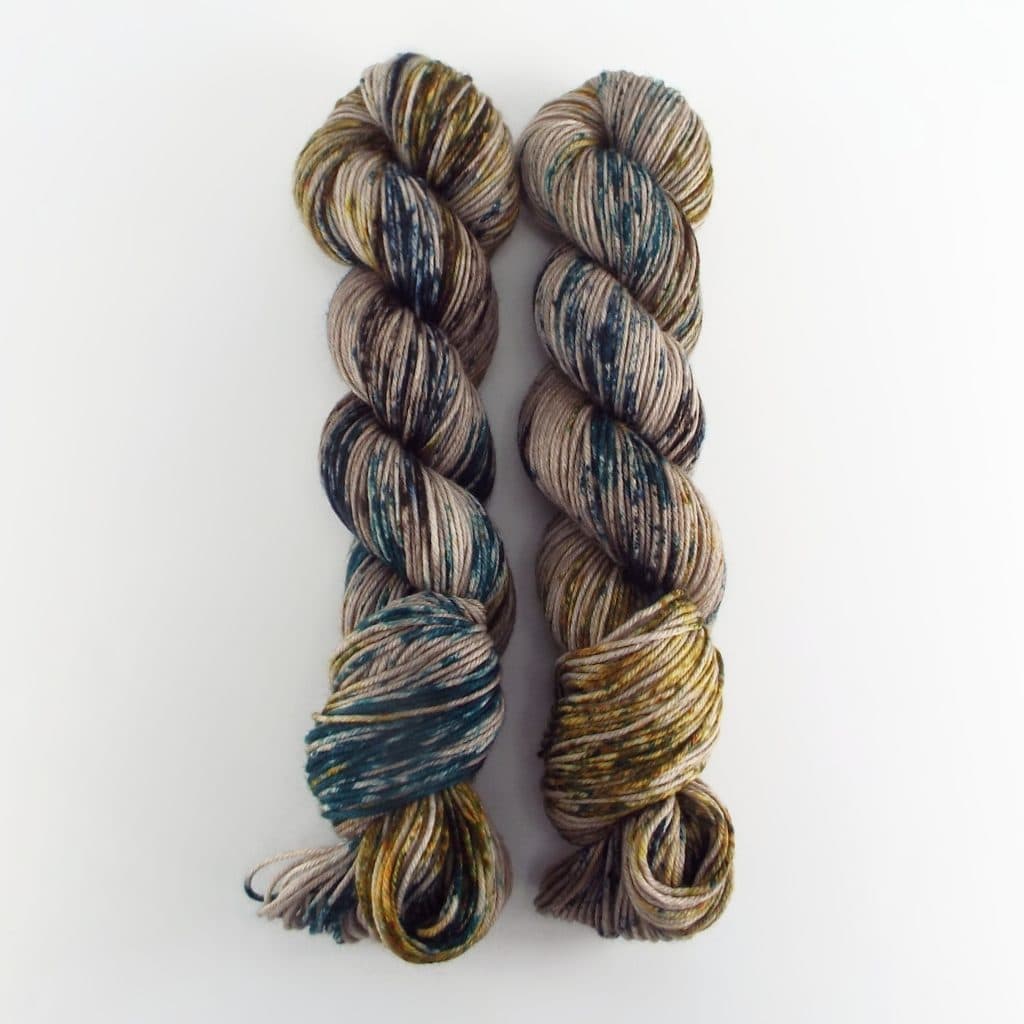
Every skein of hand-dyed of yarn is unique, so combining multiple skeins in one project can sometimes seem challenging, even if they are the same colorway. My favorite trick for working with hand-dyed yarns, whether they are solid, variegated, or speckled, is to alternate skeins. When you alternate skeins you work with two to three skeins at one time, alternating rows from one skein and then the other skein. Alternating skeins allows you to distribute the color throughout your project so they blend and move randomly. My favorite techniques for knit and crochet:
- Helical knitting by Grace O’Neill
- Knitting flat by Very Pink Knits
- Crochet in the round by Daily Crochet
- Crochet flat by TL Yarn Crafts
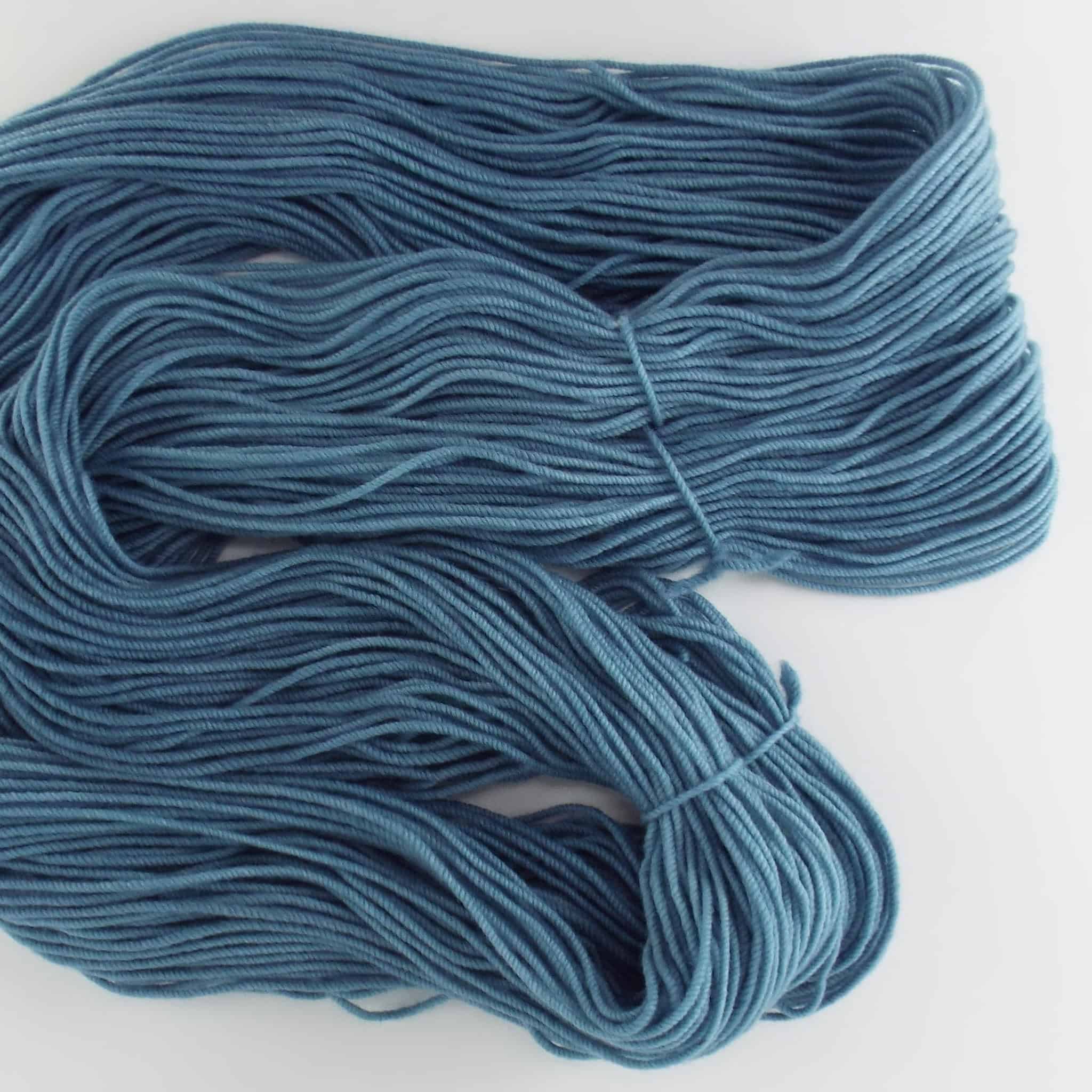

Wind the hank into a ball or cake
Most hand-dyed yarn comes in what are called “hanks.” Basically, a big loop of strands of yarn. Don’t try to use the yarn directly from the hank or you’ll end up with a tangled mess.
Always wind the hank into a ball or cake. A yarn swift and ball winder come in varying price ranges and can save you a lot of time. Or check with the yarn store or dyer you bought the yarn from to see if they offer a winding service. Alternatively, you can wind by hand:
- Loop the hank around the back of a chair or two heavy and sturdy objects on a table
- Most hanks are held together with a few strings. Find them and carefully snip them
- Find the beginning of the yarn – it’s usually tied into a knot with the other end of the yarn; snip that knot, too
- Wind the yarn into a ball

Swatching and washing hand-dyed yarns
The primary reason for swatching is to check your gauge to ensure correct sizing in your finished project. But there are other reasons to swatch when you’re using hand-dyed yarn. This is an opportunity to see how the color will work up, check how the color pattern distributes, and combine multiple colorways. You’ll also learn how fabric drapes and feels. Understanding how the yarn behaves can help you better create the perfect project and avoid missteps.
When washing your hand-dyed projects, use a mild soap formulated for the fiber content. Wash in cold water, gently squeeze out the extra water and lay it flat to dry.